

Why Choose Sport in lucky game
- ⚽
Full Coverage
Follow a wide variety of sports, including football, basketball, and more.
- 📊
Detailed Statistics
Access comprehensive data to help you make informed decisions.
- 🎁
Special Promotions
Earn exclusive bonuses and participate in end-of-year offers.
Cockfighting: Understanding the Controversial "Lucky Game"
- 🏆
Soccer
Watch live matches and enjoy the best betting options.
- 🏀
Basketball
Dive into the on-court action with exclusive stats and analysis.
- 🎾
Tennis
Bet on international tournaments with competitive odds.
Discover the Exciting World of DALEMEN: The Lucky Game
Immerse yourself in DALEMEN, a captivating game that brings an element of luck and strategy to the forefront. Learn about its gameplay and rules amidst a changing gaming landscape.
- 📖
Study team statistics and performance before betting.
- 🕒
Gamble responsibly and set clear limits.
- 💡
Take advantage of seasonal promotions to maximize your earnings.

Cockfighting

Cockfighting: Understanding the Controversial "Lucky Game"
Cockfighting, a blood sport where two roosters are pitted against each other in a bid for survival, is considered a 'lucky game' by some. Throughout history, this practice has been steeped in both cultural tradition and controversy, raising significant ethical and legal debates. To fully grasp its implications, one must examine the intricate blend of history, culture, legality, and its perception as a game of luck.
Historical Roots of Cockfighting
Cockfighting's history dates back thousands of years. Originating in Southeast Asia, it wasn't long before the practice spread to different corners of the world, including the Roman Empire, where it was highly popular. In these early days, cockfighting was more than a spectacle; it was often intertwined with religious rituals and social gatherings, signifying courage and honor.dream jl
The Cultural Significance
In many cultures, cockfighting represents more than just a sport; it's a traditional ceremony that carries significant cultural weight. For example, in some parts of the Philippines and Bali, cockfighting is regarded as a symbol of masculinity and strength. It's a tradition passed down through generations, deeply embedded in local customs and practices.
South America, and particularly countries like Mexico, have embraced cockfighting as a part of their cultural identity. There, it's often seen as a community event, one where people gather to not only witness the matches but also to socialize, bet, and share in the excitement of the 'lucky game'. For them, cockfighting is a testament to cultural heritage, an art form as well as a sport.jili44 app
The "Lucky Game" Aspect
The term "lucky game" stems from the betting aspect of cockfighting. It's a game that attracts gamblers who are willing to wager significant sums, predicting the outcome based on the roosters' conditions, training, and fighting spirit. The uncertainty of the result coupled with cultural rituals brings elements of luck and superstition into play, fueling its attraction as a betting sport.
Professionals in cockfighting often see preparing their roosters as an art, attributing winning to skillful training combined with a touch of luck. Participants believe in omens, seasons, and even mystical rituals for success, designating cockfighting not only as a test of strength and endurance but as a riveting gamble.tala777
Legal and Ethical Considerations
Despite its deep roots in various cultures, cockfighting is illegal in many countries, including the United States, Canada, and the United Kingdom. The ban is largely due to the ethical implications, as animal rights advocates argue against the cruelty involved in such fights. The discussions surrounding the legality of cockfighting often lead to heated debates about cultural preservation versus animal welfare.
Proponents of cockfighting argue that it's a crucial part of their cultural heritage and deserves protection like any other traditional practice. However, opponents, driven by ethical considerations, campaign strongly against the cruelty inherent in the practice. It's a classic tale of tradition versus modernization, emotions versus ethics, with no clear resolution in sight.
Modern-Day Cockfighting
Despite global efforts to ban the practice, cockfighting continues to thrive clandestinely in several regions. In countries where it's outlawed, underground events still draw significant crowds, a testament to its enduring allure. Enthusiasts navigate complex legal landscapes to participate in this "lucky game", further complicating efforts aimed at exterminating the practice.phmodern app
The key challenge modern society faces is finding a balance between respecting cultural identities and adhering to global standards of animal welfare. Efforts have been made to regulate events where cockfighting is still legal, emphasizing humane treatment before and after the fights. These regulatory approaches, however, are met with both skepticism and acceptance.
Conclusion: An Ongoing Debate
As long as cultures value the tradition of cockfighting, the debate between preservation and persecution will continue. Whether embraced as a 'lucky game' or rebuked as a cruel sport, cockfighting remains a contentious issue demanding nuanced understanding and sensitive consideration. As global awareness of animal rights continues to grow, the pressure mounts on societies to reevaluate such practices, challenging long-standing traditions in pursuit of humane alternatives.
With all its complexities, cockfighting stands as a vivid example of the tug-of-war between history and modernity, testing our collective moral compass. As society evolves, so too must our conversation about practices like these, ensuring that the discussion remains open and inclusive of all perspectives.
56jl loginCompany News
-

Dive into the electrifying world of HotDJ, a lucky game that combines rhythm and excitement.
-
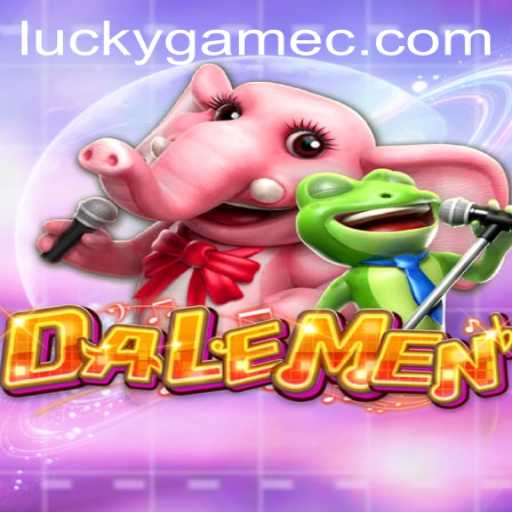
Immerse yourself in DALEMEN, a captivating game that brings an element of luck and strategy to the forefront. Learn about its gameplay and rules amidst a changing gaming landscape.
-

Discover the captivating world of HappyEaster, a game that brings together thrill, excitement, and strategy. Dive into its rules and gameplay that promise endless fun.
-

Explore DiamondFort, the exciting new lucky game that's taking the world by storm. Learn about the game's features, rules, and its role in the current gaming landscape.
-

Dive into the captivating world of WildShamrock, where players embark on a journey brimming with luck and exciting possibilities. This exploration of the game's nuances provides enthusiasts with a comprehensive understanding of its features and rules, ensuring a delightful experience.
-

Explore PinataWins, a thrilling and immersive game that combines luck and strategy. Uncover its mechanics, rules, and connection to current events.
-

Dive into the exciting world of EyeOnTheMoney, a captivating game blending luck and strategy with modern-day relevance.
-

Explore DragonBall, the thrilling game that's capturing attention as a highly engaging and lucky game experience.


